


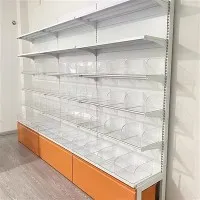
Hey there! As a shop rack supplier, I often get asked about the maximum weight a shop rack can bear. It's a crucial question, especially for store owners who want to make sure their shelves are safe and can handle the load. In this blog post, I'll dive into the factors that determine a shop rack's weight capacity and give you some tips on how to choose the right racks for your store.


Understanding the Basics of Shop Rack Weight Capacity
First off, let's talk about what determines the maximum weight a shop rack can bear. There are several factors at play here, and it's important to understand each one to make an informed decision.
Material and Construction
The material and construction of the shop rack are the most significant factors affecting its weight capacity. Most shop racks are made from steel, which is known for its strength and durability. However, not all steel is created equal. The thickness of the steel, the quality of the welding, and the design of the rack all play a role in determining how much weight it can hold.
For example, a rack made from thicker steel will generally have a higher weight capacity than one made from thinner steel. Similarly, a rack with a well-designed frame and sturdy joints will be able to support more weight than a poorly constructed one.
Shelf Design
The design of the shelves also affects the weight capacity of the rack. Shelves come in different sizes, shapes, and materials, and each one has its own weight limit. For instance, solid shelves can usually hold more weight than wire shelves because they have a larger surface area to distribute the load.
In addition, the spacing between the shelves can also impact the weight capacity. If the shelves are too far apart, the items on the shelves may not be properly supported, which can lead to the shelves bending or collapsing under the weight.
Installation and Assembly
Proper installation and assembly are crucial for ensuring the safety and stability of the shop rack. If the rack is not installed correctly, it may not be able to support the weight it's designed for. Make sure to follow the manufacturer's instructions carefully and use the appropriate tools and hardware.
It's also important to consider the floor where the rack will be installed. The floor should be level and able to support the weight of the rack and its contents. If the floor is uneven or weak, it may cause the rack to tilt or collapse.
Calculating the Maximum Weight Capacity
Now that you understand the factors that affect a shop rack's weight capacity, let's talk about how to calculate it. The weight capacity of a shop rack is typically measured in pounds or kilograms per shelf or per bay.
To calculate the maximum weight capacity of a shop rack, you need to consider the following:
- The weight of the items you plan to store on the rack: Make a list of the items you want to store on the rack and their weights. This will give you an idea of how much weight the rack needs to support.
- The number of shelves and bays: Determine how many shelves and bays you need based on the size and quantity of the items you want to store. The more shelves and bays you have, the more weight the rack will need to support.
- The weight distribution: Consider how the weight will be distributed across the shelves and bays. Try to distribute the weight evenly to avoid overloading any one area of the rack.
Once you have this information, you can use the following formula to calculate the maximum weight capacity of the rack:
Maximum Weight Capacity = (Weight per Shelf or Bay) x (Number of Shelves or Bays)
For example, if a shelf has a weight capacity of 500 pounds and you have 4 shelves, the maximum weight capacity of the rack would be 2,000 pounds (500 pounds x 4 shelves).
Choosing the Right Shop Racks for Your Store
Now that you know how to calculate the maximum weight capacity of a shop rack, it's time to choose the right racks for your store. Here are some tips to help you make the right decision:
- Consider your storage needs: Think about the type and size of the items you need to store on the rack. This will help you determine the size and configuration of the rack you need.
- Choose a reputable supplier: Look for a supplier that offers high-quality shop racks with a good reputation. Read reviews and ask for recommendations from other store owners.
- Check the weight capacity: Make sure the rack you choose has a weight capacity that meets your needs. Don't overload the rack, as this can cause it to bend or collapse.
- Consider the design and style: Choose a rack that fits the style and decor of your store. There are many different styles of shop racks available, from traditional to modern, so you're sure to find one that suits your needs.
Some Popular Shop Rack Options
As a shop rack supplier, I offer a variety of racks to meet the needs of different stores. Here are some of the popular options I have available:
- Convenience Store Shelves: These shelves are designed specifically for convenience stores and are perfect for displaying a variety of products, such as snacks, beverages, and toiletries.
- Modern Supermarket Shelves: These shelves are ideal for modern supermarkets and are designed to maximize space and display products in an attractive way.
- Display Supermarket Racks: These racks are perfect for displaying groceries and other products in a supermarket or grocery store. They come in a variety of sizes and styles to meet your needs.
Conclusion
In conclusion, the maximum weight a shop rack can bear depends on several factors, including the material and construction, shelf design, and installation. By understanding these factors and calculating the weight capacity of the rack, you can choose the right racks for your store and ensure the safety and stability of your shelves.
If you're in the market for shop racks, I'd love to help you find the perfect solution for your store. Contact me today to discuss your needs and get a free quote. I look forward to working with you!