


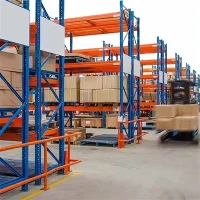


If you've ever worked in a small warehouse, garage, or even a home storage space, you know how annoying dust on light duty warehouse racks can get. One minute you're restocking boxes, the next you're wiping layer after layer of dust off your stored items-especially those sitting on upper beams or in hard-to-reach spots. And guess what? It's not just a hassle; dusty racks can also lead to dirty products, clogged small parts, or even longer cleanup time that could be spent getting work done.
As a warehouse rack supplier who works with tons of small to mid-sized businesses every month, I've seen all kinds of dust problems on light duty racks. From a local craft supply store that kept their yarn on open shelves to a small e-commerce shop storing tiny hardware parts, dust buildup is a common headache that most people don't know how to fix properly. The good news? You don't need a fancy (and expensive) heavy duty setup to keep your light duty racks dust-free. Let's break down the most practical, science-backed ways to tackle this, plus throw in a few product-specific tips if you need to upgrade your current setup.
First off, let's get why dust sticks to light duty racks in the first place-because fixing the root cause is way better than just wiping it every week. Light duty racks are usually made of steel (sometimes coated, sometimes not), and their design means they have lots of small gaps, beams, and slats that catch airborne dust. Unlike big, smooth surfaces, those nooks and crannies are like magnets for tiny particles floating around from things like shipping materials, open storage bins, or even foot traffic. Also, if your warehouse has poor air circulation, dust just sits there instead of getting moved along. So the first step is to adjust how air moves around your space, which cuts down on how much dust lands on your racks in the first place.
Let's start with the basics: airflow and dust source control. This is the cheapest, most effective fix, and it's super easy to implement. If your warehouse is in a small, enclosed space (like a converted garage or a 1,000 sq ft storage unit), opening windows if possible or using small box fans to push air around can make a big difference. Dust particles settle when the air is still, so moving even gentle air flow keeps them suspended instead of landing on your racks. Another thing: limit where dust comes from. If you're unpacking cardboard boxes, do it in a different area away from your light duty racks-cardboard is a huge dust source, especially when you're breaking it down. I always tell customers to set up a small "breakdown station" near a door or a trash bin, so you don't track dust over to your stored items.
But wait, not all light duty racks are the same, right? If you're looking for a rack that's a little more enclosed to cut down on dust, check out options like the Warehouse Storage Pallet Rack (link: /warehouse-rack/warehouse-storage-pallet-rack.html) which has closed sides that act as a barrier against airborne dust. A lot of small businesses don't realize that choosing the right type of rack from the start can prevent a ton of dust problems. For example, if you store open items that are extra susceptible to dust, a rack with solid back panels (some light duty models have this) is way better than an open-frame rack. I've had customers switch to this specific pallet rack and cut their dust cleanup time by 60%-that's not an exaggeration.
Next up, regular cleaning, but not the kind where you just grab a rag once a month and call it a day. The key is consistent, targeted cleaning, not deep cleans that take half your day. For light duty racks, start with a weekly quick wipe-down: use a microfiber cloth (they're way better than paper towels at trapping dust without spreading it) and focus on the top beams, edges, and gaps where dust hides. If you have small parts on your racks, use a soft brush to get into the slats-those tiny spaces are where dust builds up the most. Another pro tip: schedule a "dust check" every time you restock. If you're pulling items off the racks, take 30 seconds to wipe the spot where they were sitting before putting new stock down. That way, you're keeping up with it without adding extra work later.
Wait, but what if you're storing items that are extra sensitive to dust-like electronics, fabric, or art supplies? Then you need to pair your rack with proper storage containers, not just wipe the rack. Plastic bins with tight-fitting lids are a game-changer here. Even if your rack has some dust, the items inside the bins stay clean. For light duty racks, I recommend bins that fit exactly on the rack's slats so they don't wobble-too big and they hang over, collecting dust themselves; too small and you waste space. If you're looking for rack-compatible containers that work with most light duty setups, checking out the Industrial Shelving For Pallets (link: /warehouse-rack/industrial-shelving-for-pallets.html) page can give you ideas for sized solutions that pair perfectly with light duty storage. A lot of customers don't realize that storing items in closed containers is the single biggest way to prevent dust from touching their products, even if the rack itself has a little dust.
Another thing people miss: sealing the rack itself. A lot of light duty racks have a powder coat finish, but over time, that can chip or scratch, leaving bare steel that's more prone to attracting dust. If you have exposed metal spots, use a metal primer and a matching spray paint to seal them-this creates a smooth surface that dust can't stick to as easily. I've had a few customers with older, scuffed light duty racks do this, and they said their dust wiped right off after that. It's a cheap fix, way less expensive than buying a whole new rack.
Now, let's talk about common mistakes people make that actually make dust buildup worse. First, overloading light duty racks beyond their weight limit. Wait, how does that relate to dust? When you overload a rack, the beams bend slightly, creating tiny gaps and crevices that trap dust. It's subtle, but those extra gaps mean more places for dust to hide. Plus, overloaded racks are a safety hazard, so it's a double whammy. Always follow the weight guidelines for your light duty racks-you can check these on the product page for The Warehouse Rack (link: /warehouse-rack/the-warehouse-rack.html) if that's what you have, or reach out to someone like me if you're unsure.


Another mistake: not covering upper racks. If you have tall light duty racks, the top levels are the hardest to reach, so dust builds up way more there. A simple, cheap solution is to use lightweight plastic covers or even old bed sheets (if you don't mind the look) to cover the top beams when the rack isn't in use. Just make sure the cover is breathable-don't use plastic sheeting that traps moisture too, because that can lead to rust, which is a whole other problem. For racks that are in extra dusty areas (like near a loading dock), this small step keeps the top levels clean for weeks.
If you're in a space that's extra dusty-like near a construction area, or where you regularly unpack dusty materials-you might need a more heavy-duty air filter setup. Not industrial-grade, but small, high-efficiency air purifiers near your racks. Look for ones with HEPA filters; they catch tiny dust particles that regular air filters miss. I've recommended small purifiers to a few customers who store used electronics (which are super sensitive to dust) and they noticed a difference in just a week. It's not as expensive as you might think, and it's way cheaper than having to clean or replace dust-damaged products.
Wait, let's circle back to choosing the right rack for your needs, because prevention starts with the product. A lot of people default to the cheapest light duty rack, but if dust is a big issue, a slightly better rack with closed panels is worth it. For example, Single Sided Cantilever Rack (link: /warehouse-rack/single-sided-cantilever-rack.html) is great for long items like pipes or lumber, and since it's open on one side, you can add optional side panels to block dust. And if you ever outgrow light duty capacity, there are heavy duty options too, but don't jump into that if you don't need it-heavy duty racks are more expensive, and light duty works perfectly for most small warehouses.
One last quick tip: don't forget the area around the racks. If the floor around your light duty racks is dusty, when you walk past or pull items, dust gets kicked up and lands on the racks. Sweep or vacuum that area weekly, and if it's a concrete floor, a quick mop with a mild cleaning solution can cut down on surface dust too. It's a small step, but it ties everything together-less dust kicked up means less dust on your racks.
Let's be real, dust on light duty warehouse racks isn't going to disappear completely, but it doesn't have to be a constant battle. The key is a mix of small, consistent steps: control dust at the source, keep air moving, store sensitive items in closed containers, do quick weekly cleans, and pick the right rack for your space. If you're in the market for new light duty racks (or just want to upgrade your current setup to be more dust-resistant), take a look at the options we have on our site. Whether you need a basic light duty rack, a pallet rack, or something for long items, we've got solutions that work for small to mid-sized spaces.
If you're tired of wiping dust off your racks every weekend, or you want to make sure your stored items stay clean, feel free to reach out to our team. We can help you figure out the best setup for your space, answer any questions about which racks work best for dust prevention, and make sure you have everything you need to keep your warehouse tidy and your products safe. Don't let dust slow you down-let's get your racks in shape today.