




Hey everyone, let's cut to the chase today because I get this question all the time from grocery store owners, new store managers, even small business owners testing a bulk goods section: Can I use grocery store gondola shelving for bulk products?
First off, if you've been in the retail shelving game for more than five minutes, you know gondola shelving is the workhorse of almost every supermarket, convenience store, and even some big-box spots. They're the freestanding, back-to-back units you see lining every aisle-lightweight enough to rearrange, affordable, and flexible enough to adjust shelf heights. But bulk products? Think 5lb bags of rice, 10lb containers of oats, cases of soda, big packs of paper towels. Those are heavy. Not the kind of stuff you want on a flimsy shelf that bows or (let's be real) collapses mid-shift, making a mess you'll spend the rest of the day cleaning.
As a grocery store gondola shelving supplier, I've fielded this question so much I lost count. Some folks assume gondola shelving is only for snack bars and canned goods-light, regular items. Others think bulk needs that heavy-duty, industrial racking only you see in a warehouse. The truth? It's not a one-size-fits-all answer, but 9 times out of 10, yes, you can use gondola shelving for bulk products-as long as you pick the right type and set it up correctly.
Let's break this down, because there's more to it than just slapping a big bag of potatoes on a shelf. First, not all gondola shelving is built the same. You've got your basic, entry-level gondola (great for small convenience stores with limited foot traffic) and your heavy-duty commercial-grade gondola, which is what most supermarkets go for. The entry-level ones might hold 50-75lbs per shelf-fine for regular cereal boxes, but no way near enough for a 10lb bag of dog food (that's already 10lbs, plus the shelf itself, plus whatever is on the shelf above it). Commercial-grade gondola, on the other hand, is engineered to hold 150-200lbs per shelf, sometimes more if you reinforce it. That's perfect for most bulk grocery items, but wait-there are exceptions.
Wait, let's talk about different types of gondola because that matters too. If you're using a single-sided setup for a aisle endcap, check out our single-side supermarket shelf-those are sturdy, and you can stack bulk cases on the bottom shelf no problem. Or if you're lining a wide aisle with back-to-back units, double-side supermarket shelf is ideal because the supports on both sides are reinforced, so the middle shelf doesn't sag under the weight of two shelves' worth of bulk products. I've had a client in Ohio use our double-side units for their bulk dry goods section, and they told me after six months, zero bowing-way less hassle than the custom rack they were looking at before.
Now, let's address when you can't use standard gondola for bulk. If you're talking about industrial-sized bulk products-like 50lb sacks of fertilizer or large cases of water for a discount superstore with high-volume bulk buys-gondola might not cut it. For those, you'll want something like superstore retail shelving-those are built for heavier, high-frequency products, with thicker frames and reinforced beams. I always tell folks, don't force a square peg into a round hole. If your bulk items are on the extremely heavy side, go for the shelving built specifically for that load. But for regular grocery bulk (rice, oats, beans, big packs of pantry staples), gondola is totally fine.
Another big point: setup. Even the best heavy-duty gondola will fail if you don't assemble it right, especially for bulk. First, the bottom shelf is your friend here. That's the lowest shelf, closest to the floor, which is where gravity does most of the work. Most people put their bulk on middle shelves, but moving it down to the bottom distributes the weight more evenly and prevents bowing. If you do have to put bulk on a middle shelf, add extra cross-supports to the frame-almost all good gondola systems let you add these, it's a quick, low-cost fix I recommend to every client asking about bulk.
Also, don't sleep on the shelf itself. The standard particleboard shelf that comes with entry-level gondola? Bad news for bulk. Particleboard absorbs moisture (hello, if you spill a bag of flour or water, it's toast) and doesn't hold up to heavy weight long-term. Swap in steel or heavy-duty plastic shelves-they're slightly more upfront cost, but they don't sag, they're water-resistant, and they'll last years longer. I had a client in Texas use steel shelves for their bulk cornmeal, and even after a year of humidity and heavy bags, those shelves are straight as an arrow.


Let's get real, though-some people swear by dedicated bulk displays, like those big open bins. But if you're short on space or already have gondola shelving that works for the rest of your store, converting a small section of it to bulk is way more practical. I work with a lot of small grocery stores that don't have the budget to rip out all their existing gondola for new bulk racking. They just upgrade a few shelves to steel, move bulk to the bottom, and boom-they have a functional bulk section without breaking the bank. It's a game-changer for places that want to add more value (bulk is huge for customers who want to reduce plastic waste, right?) without a major remodel.
Wait, let's touch on load capacity because this is where most people go wrong. Let's do the math: a 10lb bag of rice, a 5lb bag of beans, and a 2lb container of flour on one shelf? That's 17lbs total. Not bad. A 25lb bag of oats, a case of 12 2-liter sodas (each 2lbs, so 24lbs), and a big pack of paper towels (5lbs)? That's 54lbs. Still under the 75lb entry-level gondola limit, but if you have two of those 25lb oat bags on one shelf, that's 50lbs plus other items-so aim for a commercial-grade gondola with at least 150lbs per shelf capacity to give yourself a buffer. Why the buffer? Because customers will stack extra stuff, or a new employee might pile a case of canned goods on top, and you don't want that shelf to give way.
I also get questions about damage-will bulk products scratch the gondola? If you use steel shelves, not really. If you use particleboard, yeah, those bags and cases will leave marks, maybe even dents. But that's just another reason to upgrade the shelves when you're switching to bulk. It's a small investment that keeps your store looking professional, which is big for customer experience.
Let's also compare to other shelving options people might be thinking of, just to give context. Department store racks-those are good for clothing, accessories, and smaller, non-food items, not heavy bulk grocery stuff. I've seen a few grocery owners try to repurpose department store racks for bulk and end up with a collapsed shelf and a trip to the hardware store. Don't do that. If you're looking for a display that works for grocery, grocery shelf display is made specifically for grocery items, and many of those are compatible with or similar to heavy-duty gondola, so you can mix and match if you need a little extra strength in one area.
Another thing: flexibility. One of the best parts about gondola shelving is you can adjust shelf heights whenever you want. If your bulk section picks up (say, around holiday time when everyone's buying big bags of candy or baking supplies), you can easily rearrange the shelves to make more space for bulk. No tools, no construction, just a quick adjust. That's something dedicated bulk racking doesn't give you-if you need more space for bulk, you either buy more racking or rearrange your whole store, which is way more work.
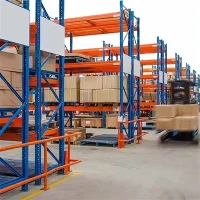
Now, let's be honest, there are edge cases where gondola isn't the best. If you're a warehouse store with pallets of bulk items, that's a whole different ballgame. You need heavy-duty pallet racking, not gondola. But if you're a regular supermarket, neighborhood grocery, or even a café with a small retail section selling bulk staples, gondola works great. I had a client in Seattle that turned a 10-foot section of their existing gondola into a bulk area for dry goods, and they told me sales of those items went up 20% because the display was more accessible and looked professional. They didn't have to spend thousands on new shelving, just upgraded a few parts.
So, wrapping this up-can you use grocery store gondola shelving for bulk products? Yes, but with a few key caveats:
- Skip entry-level gondola-go commercial-grade for the load capacity.
- Move bulk to the bottom shelves to distribute weight evenly.
- Swap particleboard shelves for steel or heavy-duty plastic.
- For extremely heavy bulk, don't force it-opt for something like superstore retail shelving built for higher weights.
- Skip repurposing department store racks-they're not engineered for grocery bulk.
At the end of the day, I've installed hundreds of gondola systems for bulk sections, and the ones that work best follow these simple rules. If you're not sure what type is right for your store, or you want to upgrade some shelves for a bulk section, reach out-we can help you pick the right setup without overspending. Whether you need single-side gondola for an endcap, double-side units for a middle aisle, or specialized grocery shelf display for hard-to-fit areas, we've got you covered. No pressure, just honest advice from someone who's worked in this space for years, not a sales rep pushing the most expensive option.
If you're ready to make that bulk section work for your store, or you have more questions about load capacities, shelf upgrades, or anything related to grocery shelving, feel free to connect with our team for a no-pressure chat. We're here to help you find what fits your needs, not just sell you something.