


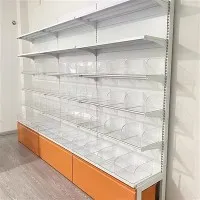
Can Warehouse Flow Racks be used for storing food products?


Hey there! I'm a supplier of Warehouse Flow Racks, and I often get asked if these racks can be used for storing food products. Well, let's dive right into it and find out.
First off, what are Warehouse Flow Racks? They're a type of storage system that uses gravity to move products from the loading end to the picking end. The products are placed on inclined rollers or wheels, and as one item is removed from the picking end, the rest roll forward to take its place. This makes them super efficient for high - volume storage and picking operations.
Now, let's talk about using them for food storage. There are several factors to consider.
Hygiene and Cleanliness
Food products need to be stored in a clean and hygienic environment. Warehouse Flow Racks can be a great option in this regard. Most of these racks are made from materials like steel or aluminum, which are easy to clean and sanitize. You can wipe them down regularly to prevent the buildup of dirt, dust, and bacteria. For example, if you're storing dry food items like cereals or pasta, a simple weekly cleaning with a mild detergent can keep the racks in top condition.
However, it's important to note that if the food has any spillage or residue, it should be cleaned up immediately. Otherwise, it could attract pests or cause mold growth. The smooth surfaces of the flow racks make it easier to spot and clean up any messes.
Temperature and Humidity Control
Many food products require specific temperature and humidity conditions to stay fresh. Warehouse Flow Racks themselves don't control temperature or humidity, but they can be used in warehouses that have proper climate - control systems. For example, if you're storing frozen foods, the racks can be placed in a cold storage warehouse. The racks should be designed to withstand the low temperatures without warping or losing their structural integrity.
In a regular warehouse for non - perishable foods, maintaining a stable temperature and humidity level is also crucial. The flow racks can be arranged in a way that allows for proper air circulation, which helps in controlling the environment. For instance, leaving some space between the rows of racks can ensure that air can flow freely.
Compatibility with Food Packaging
The design of Warehouse Flow Racks needs to be compatible with the packaging of the food products. For example, if you're storing canned goods, the racks should have appropriate dividers or channels to keep the cans in place and prevent them from rolling off. For boxes of food, the rack shelves should be wide enough to support the boxes without overcrowding.
Some food products come in irregularly shaped packaging. In such cases, custom - designed flow racks may be required. This is where our expertise as a Warehouse Flow Rack supplier comes in handy. We can design and manufacture racks that are tailored to the specific packaging needs of your food products.
Safety Considerations
Safety is a top priority when it comes to storing food. Warehouse Flow Racks should be installed correctly to prevent any accidents. The racks should be properly anchored to the floor to ensure stability. Also, the weight capacity of the racks needs to be carefully considered. Overloading the racks can lead to structural failure and potential damage to the food products.
For example, if you're storing heavy bags of flour or sugar, make sure the racks are rated to handle the weight. We offer a range of Heavy Duty Warehouse Storage Rack options that can handle large and heavy food items safely.
Regulatory Compliance
There are strict regulations regarding food storage. When using Warehouse Flow Racks for food products, you need to ensure that they comply with relevant food safety standards. This may include requirements for material quality, cleaning procedures, and pest control.
For instance, in some regions, the racks need to be made from food - grade materials. We make sure that all our racks meet the necessary regulatory standards, so you can be confident that your food products are stored in a compliant manner.
Advantages of Using Warehouse Flow Racks for Food Storage
- FIFO (First - In, First - Out) System: Flow racks naturally operate on a FIFO basis. This is crucial for food products, especially those with expiration dates. The oldest products are always at the picking end, ensuring that they are used or sold first, reducing the risk of spoilage.
- Space Efficiency: They can make the most of your warehouse space. The inclined design allows for a high - density storage of food products, which is great if you have limited space.
- Improved Picking Efficiency: With products easily accessible at the picking end, the time taken to pick items is reduced. This can lead to faster order fulfillment and better customer satisfaction.
Disadvantages and Challenges
- Initial Cost: The cost of installing Warehouse Flow Racks can be relatively high compared to some other storage systems. However, the long - term benefits in terms of efficiency and product quality often outweigh the initial investment.
- Maintenance Requirements: Regular maintenance is required to keep the racks in good working condition. This includes checking the rollers, wheels, and structural integrity.
In conclusion, Warehouse Flow Racks can definitely be used for storing food products. They offer many advantages in terms of hygiene, efficiency, and safety. However, it's important to consider all the factors mentioned above to ensure that the racks are suitable for your specific food storage needs.
If you're in the food storage business and are considering using Warehouse Flow Racks, we'd love to have a chat with you. We have a wide range of Metal Rack Warehouse and Industrial Commercial Shelving options that can be customized to your requirements. Whether you need to store dry goods, frozen foods, or anything in between, we've got you covered. Reach out to us to discuss your needs and let's find the perfect storage solution for your food products.