



As the owner of a local supermarket display shelf supplier, I've spent more than a decade helping grocery stores and convenience stores set up spaces that work for both teams and customers. Over that time, I've seen firsthand how much the choice of display shelving impacts a store's bottom line, employee workload, and overall customer experience. When it comes to equipping a retail space, plastic supermarket display shelves often get overlooked in favor of metal alternatives, but their unique advantages make them a smart choice for most modern stores. Today, I want to break down why plastic shelving is more than just a budget pick-it's a practical, long-term investment that solves real problems for store operators like me.
First, let's talk about weight capacity, because that's one of the first things I hear from store managers when they call to ask about shelving options. For years, people assumed plastic couldn't hold heavy items like canned goods, paper products, or large bottles of cleaning supplies, but modern engineered plastic shelving has come a long way. The plastic we supply is reinforced with high-density polyethylene (HDPE) and fiberglass, which lets it hold up to 200 pounds per shelf-more than enough for most supermarket and convenience store needs. I recently worked with a mid-sized grocery store that switched to Supermarket Display Shelf plastic shelves in their canned goods aisle, and they told me they haven't had a single shelf sag or bend in the 18 months since installation. That's a big win, because sagging shelves don't just look unprofessional-they can also damage products, leading to lost revenue from broken jars or dented cans.
Another huge advantage is durability, especially when you're dealing with the daily wear and tear of a busy store. Metal shelves scratch easily, leaving visible marks that make a display look tired after just a few years. Plastic shelves, on the other hand, are scratch-resistant and can stand up to spills, dropped items, and frequent cleaning with harsh chemical cleaners-something I see every day when I visit clients. A convenience store owner I partner with used to have metal shelves in their snack aisle, where customers often knock over soda cans and power-wash spills at the end of each night. The metal shelves would rust along the edges and scratch so badly that they had to replace them every three years. After switching to Convenience Store Shelves plastic shelves, they haven't needed a replacement in five years. The material also resists mold and mildew, which is a critical point for stores with damp areas, like near the produce section where water often splashes.
Cost is always a top concern for small to mid-sized store operators, and plastic shelving delivers real value here. When you compare the upfront cost of plastic vs. metal, it's often 15-25% less expensive, which lets store owners allocate their budget to other areas-like fresh inventory or marketing. But the savings don't stop at installation. Because plastic shelves last longer than metal (we're talking 10+ years of regular use vs. 5-7 years for most metal shelves), you avoid the ongoing cost of replacements. I recently helped a family-owned grocery store in a rural town upgrade their entire store. They were initially hesitant about plastic because they thought it would be more expensive, but when we crunched the numbers, they saved over $1,200 upfront and will save an additional $3,000 over the next five years by choosing plastic Display Supermarket Racks instead of metal. That's money they could put into expanding their local product line, which is a big draw for their customers.
Safety is another area where plastic shelving outperforms metal, and it's something I don't see many suppliers talk about enough. Metal shelves are heavy-each gondola unit can weigh 50+ pounds, which makes them a risk for injury during installation, restocking, or if a shelf falls. Plastic shelves are much lighter, so one person can install them in an afternoon instead of needing two or three people. That's a big plus for small stores that don't have a dedicated maintenance team. For employees, plastic shelves are also gentler on hands-no sharp edges to cut fingers when stocking, which reduces workplace injuries. I had a client whose part-time staff were constantly complaining about cuts from metal shelf edges; after switching to plastic shelves, they reported a 70% drop in small hand injuries, which also cut down on their workers' comp costs. Plus, plastic doesn't conduct electricity, which makes it a safer choice near areas with lights, refrigeration units, or electrical outlets-something especially important in convenience stores that run 24/7.
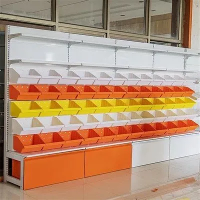
Flexibility in design is a game-changer for stores that need to adapt to changing inventory and promotions. Plastic shelves are lightweight and easy to rearrange, so store managers can adjust displays for seasonal items (like holiday candy in the fall or sunscreen in the summer) without needing tools or calling a handyman. Many plastic shelving systems, like the Lozier Gondola Shelving line we supply, let you add hooks, bins, and accessories to customize the space. I worked with a seasonal grocery store that wanted to turn their end caps into a "summer grilling" section for charcoal, sauces, and tools. With metal shelves, it would have taken a day to adjust and add hooks, but with plastic, they rearranged the entire end cap in two hours and had the new display up for a weekend sale. That speed means they can take advantage of short-term trends and promotions without missing out on sales. Plastic shelves also come in different sizes and colors, so you can match them to your store's branding-we even offer custom color options, so a store can use blue shelves for the frozen section or green for produce, making it easier for customers to navigate.
When it comes to sustainability, I know that many store operators are looking for ways to reduce their environmental impact, and plastic shelving has made big strides here. The plastic we use is made from 100% recyclable HDPE, so when a shelf reaches the end of its life, it can be melted down and turned into new products, instead of ending up in a landfill like metal, which is harder to recycle and often ends up in scrap yards. Also, because plastic shelving lasts longer, you're not contributing to the cycle of constant replacement that's common with metal. I had a client in a suburban area that switched to plastic shelves last year and now participates in a local recycling program for old shelving-they told me they were able to recycle 12 metal shelf units that would have been sent to a landfill in the past. It's a small change, but it adds up for stores that want to be more eco-friendly, and many of my customers tell me their customers appreciate it too.


Storage is a hidden benefit that a lot of store owners don't think about until they need it. For small stores, especially those with limited backroom space, having shelving that's easy to disassemble and store when not in use is a huge plus. If you're renovating a section of your store or need to store extra inventory in the back, plastic shelves can be taken apart and stacked in a fraction of the space metal shelves take. I recently worked with a convenience store that was expanding their beer aisle and needed to store their old shelving for two weeks while the new shelves were installed. The metal shelves took up half their backroom, but the old plastic shelves fit into a small corner-making the expansion process much less stressful.
Of course, I'm not saying plastic shelving is the right choice for every store. If you're a large supermarket with extremely heavy loads-like pallets of water or bulk grain-metal shelves might be a better fit. But for most mid-sized grocery stores, convenience stores, and specialty shops, plastic shelves check all the boxes: affordable, durable, safe, flexible, and eco-friendly. Over the years, I've talked to hundreds of store managers who've switched from metal to plastic, and almost all of them tell me they wish they'd made the change sooner.
As a supplier, my goal is to help stores find shelving that works for their specific needs, not just sell them the most expensive or trendy option. Whether you're a small neighborhood grocery store looking to refresh your aisles or a convenience store updating your snack displays, I'm here to help you explore the options that make the most sense for your business. If you're tired of dealing with scratchy metal shelves, high replacement costs, and the hassle of rearranging displays, I'd encourage you to reach out to talk more about plastic supermarket display shelves. Let's discuss your store's layout, inventory needs, and budget so we can find the right solution together. Don't hesitate to get in touch to take the next step for your store's space.