



If you're a supermarket manager or retail brand looking to launch a new product, even the most innovative offering will fall flat if it doesn't catch shoppers' eyes on the shelf. As a Display Supermarket Racks supplier with years of working alongside grocery chains of all sizes, I've seen firsthand how bad product placement, poor rack design, and overlooked shopper behavior can derail a new launch-while smart, data-driven displays can turn a unknown item into a top-seller in weeks. The goal isn't just to place a new product on a rack; it's to turn that rack into a micro-moment that guides shoppers from "passing by" to "picking up" to "buying" repeatedly. Below, I break down the most effective, science-backed strategies to display new products on supermarket racks, paired with real examples and solutions we've refined to work for every type of retailer.
First, start with the "first zone" rule: where you place a new product on a supermarket rack matters more than what the product is. Shoppers don't browse every aisle evenly-studies from the Grocery Manufacturers Association (GMA) show that 70% of supermarket traffic is confined to the first three feet of any aisle, and the middle shelf at eye level (for a typical adult shopper) gets 50% more views than shelves positioned above or below. For new products, the first zone isn't just the eye-level spot: it's also the end caps, aisle entrances, and even checkout counter displays, which act as "gateways" to the main store floor.
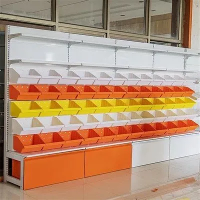
But not all racks are built the same. If you're launching a new product that's intended for a broad grocery audience, using flexible, easy-to-reconfigure racks makes it simple to test placement without committing to a permanent spot. That's why many of our clients turn to our shelf display supermarket line, which is designed with modular brackets that let you swap out products or adjust shelf height in minutes, rather than hours. For example, a local cereal brand we worked with last quarter used a temporary end cap from this line to launch a new line of low-sugar oatmeal, placing it in the cereal aisle's first 10 feet. Within two weeks, sales were up 35% compared to similar new launches on static, fixed shelves.
If your new product targets a specific demographic-say, plant-based snacks for millennials or baby food for new parents-you can narrow the first zone even further. Shoppers 18 to 34 often pause at aisle displays that align with their immediate needs, so placing a new iced tea in the beverage aisle's "refreshment" section (right next to cold water and sports drinks) ensures it's seen by people who already plan to buy a cold drink that day. For products meant for families, placing them on lower shelves in family-sized sections (rather than just eye level) gives kids easy access, which drives family purchases.
Next, double your visibility with double-sided supermarket shelf units. One common mistake retailers make with new products is only placing them on one side of a rack, leaving half the aisle's traffic untouched. A double-sided rack lets you showcase a new product on both the front side (facing shoppers walking down the aisle) and the back side (facing shoppers walking back, or even adjacent aisles). We've found that products placed on double-sided racks see a 22% higher repeat purchase rate than those on single-sided racks, because they reach shoppers who might have glanced away the first time.
A great example of this is a craft condiment brand that launched a new line of spicy hot sauces last year. Instead of sticking to a single spot in the international foods aisle, they used our Double-side Supermarket Shelf units, placing their new sauces on the front side near the aisle's entrance (to catch foot traffic) and the back side near the "grilling supplies" section (to target shoppers prepping for weekend cookouts). Within a month, their sauce was ranked #3 in the aisle, up from #12 when they launched it on single-sided racks. The key here is not just doubling the placement-it's placing the same product in two high-intent zones, so even if a shopper misses it on one pass, they'll see it on the other.
Then, use grouping to turn a single new product into a "collection" that shoppers can't ignore. Shoppers don't just buy one item when they're exploring a new category-they buy a set. That's why grouping your new product with complementary, established items turns a random spot on the rack into a meaningful "destination" for shoppers. For example, if you're launching a new line of plant-based yogurt, don't just place it on the dairy shelf next to other yogurts. Use grocery display shelves with dividers to group it with granola, fruit cups, and plant-based milk-products that shoppers regularly pair with yogurt. This "category clustering" is backed by 2022 research from the Journal of Retailing and Consumer Services, which found that products grouped in complementary sets sell 30% more than those placed in isolation.
Another way to enhance grouping is with signage that ties the new product to the category's existing top-sellers. We worked with a snack brand last summer to launch a new line of protein bars, and instead of generic "New Product" signs, we added small signage that read "Pair with our top-selling almond milk for a quick on-the-go snack" on the milk shelf next to the bar display. This small change turned a one-off new product into a cross-category purchase, and sales doubled in the first three weeks. For retailers, modular racks make this easy: you can adjust the shelf layout to add complementary items without rearranging the entire aisle.
Don't overlook the power of "sticky" details that make new products feel approachable. When shoppers try a new product, they're often hesitant-they don't know the price, the flavor, or if it's worth trying. That's why your display rack should include small, low-effort cues that reduce that hesitation. For example, adding a small sample station near the display (even a mini one with pre-packaged 1-oz bites) can increase trial by 40%, according to the Food Marketing Institute. But if a sample station isn't feasible, using clear, uncluttered packaging on the rack, or a price tag that stands out (not hidden behind other products) makes it easier for shoppers to make a split-second decision.
Our Supermarkt Regal line is especially well-suited for this, because it's designed with open, flat surfaces that work for both product displays and small sign holders. A German grocery chain we partnered with last year used these racks to launch a new line of organic baby purees, adding small, printed signs on the rack that read "No added sugar-great for toddlers" and placing sample-sized purees in small bins at the base of the display. Within a month, the purees had a 28% trial rate, compared to the average 12% for new baby food products.


Finally, test and adapt quickly-because what works for one supermarket might not work for another. One of the biggest mistakes brands and retailers make with new products is sticking to a single display setup for months, even if sales are slow. Instead, use temporary displays to test different placements, then adjust based on real data. For example, if your new cookie isn't selling well on the cookie shelf, try moving it to the checkout counter with small 2-count packs-shoppers often pick up impulse items when waiting in line, and checkout displays drive 15% of all grocery impulse sales, per the National Retail Federation.
As a Display Supermarket Racks supplier, we work with retailers to build flexible, testable displays that let you make these adjustments without major costs or downtime. Our Grocery Store Display Racks line, for instance, is designed with portable, easy-to-move components, so you can shift a new product from an end cap to a shelf in 10 minutes, no tools required. We also track sales data with our clients to see which placements work best, sharing insights like "new products in beverage aisles perform 25% better on double-sided racks" to help refine future launches.
Launching a new product doesn't have to be a gamble. By focusing on high-traffic zones, doubling your visibility, grouping with complementary items, adding small engagement cues, and testing quickly, you can turn a new item into a staple on supermarket shelves. If you're ready to build a display rack solution tailored to your new product launch, connect with our team to discuss your needs, from temporary test displays to long-term permanent installations.