


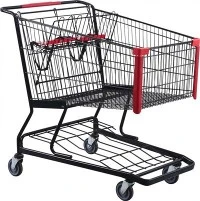
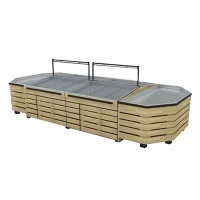

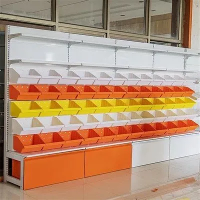
When you walk down a supermarket aisle, have you ever noticed how many shoppers veer toward the end of each row, even when they have a specific item in mind? That's the end-cap shelf display at work-one of the most valuable, yet underutilized, real estates in any grocery store. As a supplier that partners with supermarkets worldwide to craft impactful in-store merchandising, I've spent years observing how even small tweaks to an end-cap setup can drive impulse purchases, boost category sales, and keep customers engaged longer. Today, I'm breaking down the science behind maximizing end-cap potential, sharing lessons I've learned working with store teams, and highlighting how the right tools from a trusted supplier like ours can make all the difference.
First, it's critical to understand why end caps matter more than you might think. Supermarket data consistently shows that end caps capture 20–30% of all aisle traffic, and shoppers spend an average of 1.5 extra minutes examining products at these displays compared to regular shelf shelves. But that traffic isn't just random-it's made up of intentional shoppers cutting through aisles to reach their target items, and those who are open to discovering new products. For store teams, the goal is to turn that foot traffic into sales, and for suppliers, that means creating displays that feel helpful, not cluttered, and resonate with what shoppers care about right now.
Let's start with timing-because an end cap's success often hinges on when it's changed. I've seen stores make the mistake of leaving the same display up for weeks, which leads to shopper fatigue and stagnant sales. The sweet spot for most end caps is a weekly refresh, timed to align with key shopping moments. For example, end caps featuring back-to-school snacks or dorm room essentials should go up in early August, not mid-September, when students are already settled. Holiday-themed displays should roll out 2–3 weeks before the holiday, not on the day before. This kind of timing taps into shoppers' planned needs before they check their regular shelves, turning a random stop into a purposeful purchase. If you're looking for durable, adaptable displays that hold up to weekly changes, our range of Grocery Shelf Display units are designed for quick assembly and reconfiguration, so store teams can swap out displays in minutes instead of hours.
Next, product selection is the backbone of a high-performing end cap. The biggest mistake I see here is stocking too many unrelated items in a bid to maximize shelf space. A well-curated end cap should focus on just one core theme, with 5–7 complementary products that support that theme. For example, instead of dumping 10 different snack items on an end cap, a back-to-school display might feature individual granola bars, fruit cups, and mini water bottles-all single-serve, easy for grabbing on the way to class. This curation reduces decision fatigue, which research from the Journal of Retailing shows is a top reason shoppers abandon purchases in stores. It's also important to balance new products and top sellers: pairing a new plant-based yogurt (a test item) with a best-selling brand of Greek yogurt gives shoppers a familiar safety net while encouraging them to try something new. That's a tactic we've helped many stores implement, and it's led to a 15–20% lift in new product trial rates for our retail partners.
Then there's the design of the display itself, and this is where the right shelving system makes a huge difference. The height and arrangement of products can make or break visibility. Shoppers of all ages-from kids to seniors-need to see products without leaning too far or craning their necks. Our Superstore Retail Shelving line is engineered with adjustable shelf heights, so stores can set the top layer of an end cap at eye level for the average adult (between 4.5 and 5.5 feet) and place smaller, impulse items at lower heights where kids can reach them (encouraging parent-child purchases). Also, using "landing pads" at the end of the end cap-small, front-facing displays of a single product-can draw shoppers in before they even reach the main display. For a summer grilling theme, a front pad of a single pack of burger buns might lead shoppers to browse the full display of sauces, seasonings, and grill tools. Avoid overcrowding the end cap; leaving 20–30% of the shelf space empty gives products room to breathe and makes the display feel intentional, not chaotic.
Signage is another often-overlooked element that can turn a good end cap into a great one. The best end-cap signage is clear, concise, and tells shoppers a "what's in it for me" story-not just a product fact. Instead of a sign that says "Organic Apples $2.99/lb," try "Sweet Organic Apples-Perfect for Lunchboxes This Week" to tie the product to a specific need. Digital signage can take this a step further: a digital screen next to a pasta display might show a quick 10-second video of a weeknight pasta dinner, inspiring shoppers to grab a jar of sauce while they're there. That said, not all stores have the budget for digital, so printable, high-contrast signs work just as well-just make sure they're large enough to read from 3–5 feet away, which is how far most shoppers stand before approaching an end cap. Our Display Supermarket Racks have built-in sign holders that make updating signage quick, so store teams can adjust messages for sales, holidays, or local events without extra hassle.
Seasonality and local relevance are also key to making end caps feel personal, not generic. A display of pumpkin-spice products in October will resonate with shoppers nationwide, but a display of locally harvested apples in a store located in an orchard town will connect even more deeply. I worked with a grocery chain in the Pacific Northwest last year that set up an end cap featuring local honey, berry jam, and artisanal bread-with signs highlighting which farms the products came from. That end cap sold 35% more units than the chain's average non-local end cap that month, because shoppers wanted to support local businesses and buy products that were fresh to their region. Even small touches, like swapping out a national brand of iced tea for a regional one in summer, can make a big difference. For stores looking for flexible, adaptable racks that work for both national and local displays, our Grocery Store Display Racks are designed to accommodate both standard product sizes and larger or irregular items, so local craft products fit seamlessly alongside national brands.


Another factor to consider is the flow of the store. End caps shouldn't be placed in random spots-they should align with natural shopper paths. Most shoppers enter a store, head straight to produce or dairy, then work their way down aisles. Placing a back-to-school display near the entry and close to the snack aisle (the destination for that theme) means shoppers don't have to backtrack, which makes them more likely to make a purchase. Similarly, a display of cold-weather soup mix near the canned goods aisle but close to the front of the store will catch shoppers grabbing last-minute items before leaving. I've seen stores place end caps in dead-end aisles, where foot traffic is low, and wonder why sales are poor-sometimes moving an end cap just 10 feet to a high-traffic aisle can double its performance. If you're rethinking your store's end-cap placement, our team can help you map foot traffic patterns and suggest optimal spots using data from similar stores we work with.
Finally, don't forget to measure and adjust. A great end-cap strategy isn't set it and forget it-you need to track sales, get feedback from shoppers, and tweak over time. Track metrics like how many units are sold per week, which products sell best, and if shoppers take time to look at the display. You can even add a short survey at the exit of the store (a quick "What was the last thing you picked up from an end cap?" question) to get direct feedback. If a product on an end cap isn't selling, swap it out for something complementary instead of leaving it there. This iterative approach turns end caps from a one-time marketing trick into a consistent, high-performing sales driver.
At the end of the day, making the most of end-cap shelf displays is about combining science (understanding foot traffic, decision fatigue, timing) with creativity (curating products that resonate, designing displays that feel welcoming). Whether you're a small independent store or a large supermarket chain, the right tools can make this process easier. Our range of shelf display supermarket solutions-from adjustable shelving to flexible display racks-are built to help stores create end caps that work as hard as possible for their sales.
If you're looking to refresh your store's end-cap displays, or just want to learn more about how our products can help, our team is here to collaborate with you. We've worked with stores of all sizes to tailor display solutions that fit their unique needs, and we're ready to help you turn your end caps into a key part of your sales strategy. Whether you're a new store setting up your layout for the first time or an established chain looking to boost in-store performance, we can provide the support and products you need to succeed.