


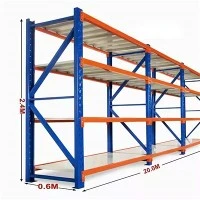

When it comes to presenting snacks in a retail or commercial setting, a well - designed snack display rack can significantly enhance the visual appeal and sales potential of your products. As a seasoned snack display rack supplier, I've had the privilege of working on numerous projects and understanding the ins and outs of what makes a great display rack. In this blog post, I'll delve into the key design principles that should be considered when creating a snack display rack.


Visibility and Accessibility
One of the primary goals of a snack display rack is to make the snacks highly visible to customers. This means that the products should be presented in a way that catches the eye from a distance. A good design starts with the height and arrangement of the display. For example, placing popular or high - margin snacks at eye level can increase their chances of being picked up by customers. The use of clear signage and labels can also help direct customers' attention to specific products or types of snacks.
In terms of accessibility, customers should be able to easily reach the snacks they want. This requires careful spacing between the products and ensuring that there are no obstructions. A well - designed rack will have shelves or compartments that are wide enough to accommodate different sizes of snack packages without overcrowding. For instance, if you're displaying large family - size bags of chips alongside smaller single - serve packs, you need to have a layout that allows for easy access to both.
Product Protection
The design of a snack display rack should also take into account the protection of the snacks. Snacks can be easily damaged if they are not stored properly. The rack should be sturdy enough to hold the weight of the products without collapsing or tipping over. Additionally, it should protect the snacks from dust, moisture, and other environmental factors.
Some display racks come with enclosed compartments or glass fronts that can shield the snacks from external elements. This is especially important for snacks that are sensitive to moisture, such as cookies or crackers. The materials used in the construction of the rack also play a crucial role in product protection. For example, using high - quality, non - porous materials can prevent the absorption of odors and keep the snacks fresh.
Branding and Aesthetics
A snack display rack is not only a functional piece of equipment but also a powerful branding tool. The design should align with the brand image of the snacks being displayed. This can include using the brand's colors, logo, and overall visual style on the rack. A cohesive brand identity can help create a memorable shopping experience for customers and increase brand recognition.
In terms of aesthetics, the rack should be visually appealing. It can be designed in a modern, sleek style or a more rustic, traditional look, depending on the target market and the type of snacks. The use of lighting can also enhance the overall look of the display. For example, LED lights can be installed to highlight the snacks and create a warm, inviting atmosphere.
Flexibility and Adaptability
The retail environment is constantly changing, and so are the snack products. A good snack display rack should be flexible and adaptable to these changes. It should be easy to reconfigure the layout to accommodate new products or different packaging sizes. This can save time and money for retailers in the long run.
Some racks are modular, which means that they can be easily assembled, disassembled, and rearranged. This allows retailers to adjust the display based on seasonal promotions, new product launches, or changes in customer demand. For example, during the holiday season, a retailer may want to display special - edition holiday snacks, and a flexible rack can be quickly modified to showcase these products effectively.
Cost - Effectiveness
While it's important to have a high - quality and well - designed snack display rack, cost - effectiveness is also a significant factor. The rack should provide a good return on investment for the retailer. This involves considering the initial purchase price, as well as the long - term maintenance and operating costs.
As a supplier, we strive to offer display racks that are not only durable and functional but also affordable. We use cost - efficient materials and manufacturing processes without compromising on quality. This allows retailers to get a great - looking display rack at a reasonable price.
Types of Snack Display Racks and Their Design Considerations
There are several types of snack display racks available in the market, each with its own design requirements.
Snack Organizer Shelf
A Snack Organizer Shelf is designed to keep snacks organized and easily accessible in a pantry or storage area. The design should focus on maximizing storage space while still allowing for easy visibility of the products. It can have multiple tiers or compartments to separate different types of snacks. The shelves can be adjustable to accommodate various package sizes.
Countertop Snack Display Rack
A Countertop Snack Display Rack is typically used at the checkout counter or on a small retail counter. Its design should be compact yet eye - catching. It should be able to hold a limited number of high - impulse - purchase snacks. The rack can be designed with a slanted front to make the snacks more visible to customers standing at the counter.
Snack Display Shelf
The Snack Display Shelf is a more general - purpose display unit that can be used in larger retail spaces. It can have a more elaborate design, with multiple levels and sections. The shelves can be designed to display different types of snacks, such as chips on one level, candies on another, and so on. The overall design should create a visually appealing display that encourages customers to browse through the snacks.
Retail Snack Display Racks
Retail Snack Display Racks are designed for larger retail stores. These racks need to be able to hold a large quantity of snacks and be easily visible from different angles in the store. They can be freestanding or wall - mounted. The design should take into account the flow of traffic in the store and ensure that the display does not obstruct the movement of customers.
Conclusion
In conclusion, the design principle of a snack display rack involves a careful balance of visibility, accessibility, product protection, branding, flexibility, and cost - effectiveness. By considering these factors, retailers can create a display that not only showcases their snacks effectively but also drives sales.
If you're in the market for a high - quality snack display rack, we'd love to have a conversation with you. Whether you're a small convenience store or a large supermarket, we can provide customized solutions to meet your specific needs. Contact us today to start the procurement discussion and take your snack display to the next level.