


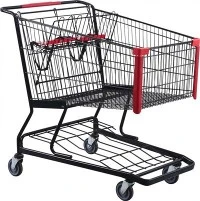

If you've ever stocked shelves in a grocery store, you know that display racks don't just hold products-they're the first thing customers see when they walk down an aisle. As a supermarket display shelf supplier, I've spent years helping stores choose the right shelving for their space, but one question comes up almost as often as "What's the best shelf for my cereal aisle?": "How do I clean these without damaging them?"
The truth is, not all supermarket display shelves are created equal. A deli case shelf is way different from a gondola rack holding canned goods, and trying to use the same cleaning agent on both can lead to scratches, discoloration, or even parts that break down over time. I've seen store managers make this mistake before-they grab a generic all-purpose cleaner from the break room, spray it on their display shelves, and end up with streaks that make their fresh produce look dull. That's why I decided to put together this guide, drawing on both my experience as a supplier and conversations with the store teams that use these racks every day.
Let's start by breaking down the most common types of supermarket display shelves, because each comes with its own material needs. I've listed the ones we supply most often here, and you can click through to see the full range: department store racks, grocery store gondola shelving, Display Supermarket Racks, Single-side Supermarket Shelf, and Grocery Store Display Racks. Each of these is built for a specific job, so their cleaning requirements aren't one-size-fits-all.
First up: grocery store gondola shelving. If you've walked through any supermarket, you've seen these-they're the double-sided racks that line the center aisles, holding everything from pasta to cleaning supplies. Most gondola shelves are made from powder-coated steel, which is durable and affordable, but that coating is what you have to watch. Powder coat can chip if you use something too abrasive, and it can fade if exposed to harsh chemicals repeatedly.
What cleaning agents work best for gondola shelving? I recommend a mild, pH-neutral cleaner first. Think of it like the gentle soap you use to wash your favorite dishes-nothing too strong. Avoid bleach-based cleaners or anything with ammonia, because those can break down the powder coating over time. A lot of our regular customers swear by a mixture of warm water and a small amount of dish soap (the kind without added moisturizers, so it doesn't leave a film). If there's a sticky spot from a spilled soda or a price tag adhesive, you can add a little white vinegar to the mix-just dilute it with water, about one part vinegar to four parts water. Vinegar cuts through grime without eating at the powder coat.
I learned this the hard way a few years ago. A store in Chicago called me panicking because their team had used a bleach cleaner on their gondola racks, and within a month, the blue coating was turning white in patches. They had to replace half their racks, which cost them way more than if they'd used the right cleaner from the start. Now, when we install grocery store gondola shelving for a new client, I always leave a small note in their manual about cleaning-just a quick tip, but it saves them a lot of headache.
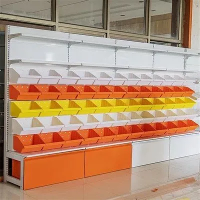
Next, let's talk about Single-side Supermarket Shelf. These are the racks that line the walls of a store, usually in areas like the snack aisle or where they hold specialty products. A lot of single-side shelves are made from stainless steel, especially if they're near areas that get wet, like the front of store or the meat department. Stainless steel is a step up from powder-coated steel in terms of durability, but it still needs the right care to keep it looking shiny.
For stainless steel single-side shelves, you have a little more flexibility, but you still can't use just anything. Abrasive scrubbers like steel wool or harsh scouring pads are a no-go-they'll leave permanent scratches that make the shelf look old fast. Instead, use a stainless steel cleaner that's specifically formulated for the material. These cleaners usually have a polish that brings out the shine without damaging the steel. If you don't have a stainless steel cleaner on hand, warm water and a microfiber cloth work well for regular dusting, and a little rubbing alcohol (diluted with water) can get rid of fingerprints or smudges that are common on wall-mounted shelves.
One thing to remember with stainless steel shelves is to always clean with the grain of the metal, not against it. That's a trick I picked up from a restaurant supply friend-cleaning with the grain prevents streaks and makes the shelf look much cleaner. I also tell clients with single-side stainless steel shelves to avoid leaving standing water on them, especially if they're near the produce section. Water spots can be hard to get off, and over time, they can cause minor corrosion.
Now, what about department store racks? Wait, some of our customers aren't just grocery stores-they're general retailers that carry everything from clothing to home goods. Those department store racks are often different from supermarket gondola shelving-they might have chrome finishes or even plastic components. Chrome is sleek, but it's prone to showing water spots and smudges, so the wrong cleaner can make it look dull instead of shiny.
For chrome department store racks, the best cleaning agent is a mild glass cleaner. Yeah, that's right-glass cleaner works great on chrome because it cuts through fingerprints and dust without leaving a film. Just make sure it's ammonia-free, because ammonia can pit chrome over time. If there's a really stubborn spot like candle wax or a sticky price tag, a little rubbing alcohol on a soft cloth will lift it right off. Avoid anything with oil-based ingredients, because they can make chrome look greasy and attract more dust.
I once supplied a set of department store racks to a small boutique that sells handmade jewelry, and they were worried about keeping the chrome display shiny without smudging the products. We worked out that using a lint-free microfiber cloth with ammonia-free glass cleaner worked perfectly-they can wipe down the racks in minutes without leaving streaks, and the jewelry doesn't get any extra residue on it. That's the kind of small detail that makes a big difference for both the supplier and the customer.
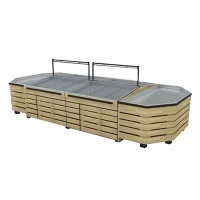
Then there's Display Supermarket Racks-these are the eye-catching ones, like the end caps at the end of aisles that hold sale items or seasonal products. A lot of display racks are made from a mix of materials: some have wood-grain finishes for a warm look, others have plastic parts, and some still have steel supports. This mix is what makes them tricky to clean-you can't use the same product on the wood as you would on the steel.
For display racks with wood-grain finishes, the key is to avoid water. Wood can warp if it's exposed to too much moisture, so instead of spraying cleaner directly on the rack, spray it on a microfiber cloth first, then wipe gently. Use a mild wood cleaner (the kind for furniture, not the heavy-duty stuff) or even just a little bit of olive oil on a soft cloth to bring back the shine on wood parts. For the steel or plastic parts of the same display rack, stick to the same mild cleaners we talked about earlier-pH-neutral for steel, glass cleaner for chrome if that's part of it.
I remember a holiday display we did for a grocery store last year-they had a red end cap with wood sides and steel shelves, holding Christmas ornaments and candy canes. Their team tried to wipe it down with a wet cloth after a spill, and within a week, the wood was bubbling in a few spots. We had to give them a quick tip on how to fix it (dry it immediately with a hair dryer on cool) and since then, they've been using a damp cloth with dish soap for their display racks. It's a small mistake, but it's why matching the cleaner to each part of the rack is so important.
Last, but definitely not least: Grocery Store Display Racks, which are often used for fresh items like bread, baked goods, or even bulk candy. These racks are usually near the front of the store, so they get a lot of foot traffic and frequent handling. They're also more likely to come into contact with food residues, so cleanliness is non-negotiable here.
Most grocery store display racks for fresh foods are made from food-grade stainless steel, which is designed to be safe for contact with food. That means you can use a food-safe cleaner on these-no harsh chemicals that could transfer to the products. A lot of health departments actually require this for racks near food, so it's not just a suggestion. Food-grade cleaners are easy to find at any supply store, and they work just as well as mild dish soap for regular cleaning. For tough food stains like chocolate or bread crumbs, a little baking soda mixed with warm water makes a gentle abrasive that won't scratch the stainless steel and is safe for food contact.
I always tell clients with these racks that they should clean them daily, especially if they're holding fresh products. Spilled dough, crumbs, or syrup can attract pests if left overnight, and they can also make the display look unappetizing. As a supermarket display shelf supplier, I don't just sell racks-I want to make sure they last for years, so teaching the right cleaning habits is part of the job.


Now, let's talk about some general rules that apply no matter what type of shelf you're cleaning. First, always test a small, hidden area first. If you're using a new cleaner on a display shelf, wipe it on the back of the rack or a part that's not visible to customers to make sure it doesn't cause discoloration or damage. Second, use soft tools-microfiber cloths, sponges that aren't abrasive, and soft brushes for tight spaces. Scrubbing too hard with a rough pad will scratch every type of shelf, no matter what material it's made from. Third, dry the shelf after cleaning. Even if you use a mild cleaner, standing water can lead to spots, rust, or damage over time. A quick dry with a clean cloth goes a long way.
I've seen a lot of store managers skip the cleaning step because they think it's a hassle, but the truth is, proper cleaning not only keeps the shelves looking good-it extends their life. A set of gondola racks that's cleaned with the right agents can last 10 or more years, whereas using the wrong cleaner might make them need replacement in 2 or 3. That's a big savings for any store, and it's why I always make sure my clients have the information they need to keep their display shelves in top shape.
If you're a store owner or manager looking to upgrade your supermarket display shelves, or if you have questions about the best way to clean the ones you already have, don't hesitate to reach out. As a supermarket display shelf supplier, I'm here to help you find the right products for your space and make sure you have all the tips to keep them clean and looking their best. Whether you need department store racks for your boutique section, grocery store gondola shelving for your center aisles, or any other type of display shelf, we've got you covered. Just connect with our team to start the conversation about your needs.