


The cost of a warehouse racking system is not determined by the number of rack bays alone. Two projects with a similar warehouse area can receive very different quotations because their storage requirements, load capacity, rack dimensions, handling equipment, and installation conditions are not the same.
For warehouse owners and equipment buyers, the important question is not simply how much one rack costs. It is what is included in the complete system, how many usable storage positions it provides, and whether the proposed configuration fits daily warehouse operations.
Below are the main factors that affect warehouse racking system cost and the details buyers should check before requesting a quotation.
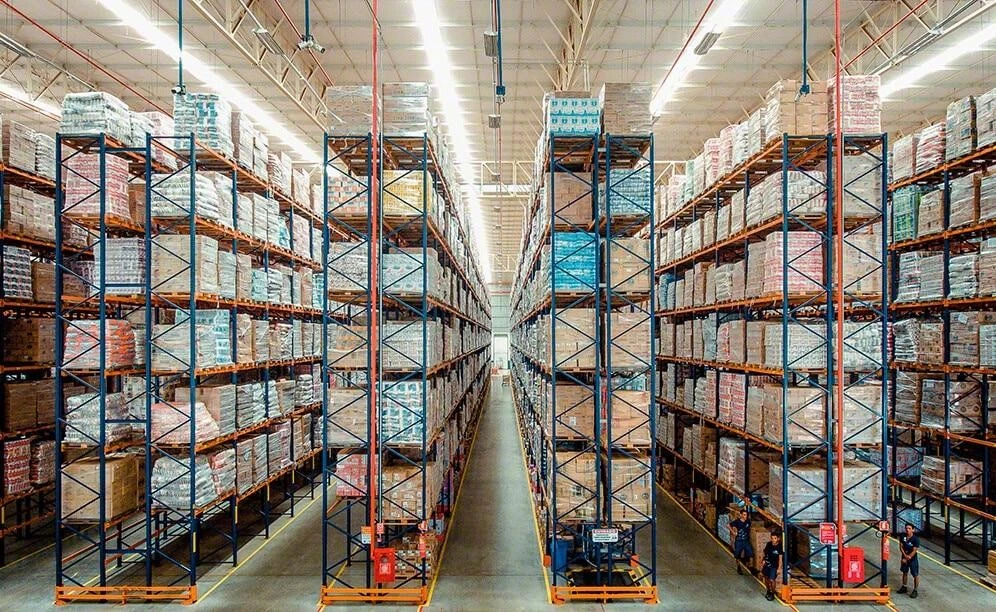
1. Racking System Type
The type of racking system is one of the biggest cost factors.
Selective pallet racking is generally a straightforward option for warehouses that need direct access to individual pallets. Its structure is relatively simple, and the layout is easy to adjust when inventory changes.
Other systems involve more complex structures or operating mechanisms:
Drive-in racking: Uses deep storage lanes to increase pallet density. The structure and forklift access requirements need more careful planning.
Push-back racking: Uses carts and inclined rails to move pallets within each lane, adding mechanical components to the system.
Pallet flow racking: Uses rollers or wheels to move pallets by gravity, requiring additional components and control of pallet movement.
Multi-tier shelving: Adds elevated picking levels, platforms, stairs, and safety components.
A higher-density system usually costs more to purchase than basic selective racking. However, it may reduce the amount of floor space needed for each pallet position. Buyers should compare the cost per usable storage position rather than looking only at the total project price.
2. Load Capacity and Steel Specifications
The weight stored on each rack level directly affects the structural design.
A rack designed for light cartons does not require the same beams, upright profiles, and bracing as a system holding heavy industrial pallets. Higher load requirements may call for thicker steel sections, larger beam profiles, stronger upright frames, and additional reinforcement.
When comparing quotations, check whether the stated capacity refers to:
Load capacity per shelf or beam level
Total load capacity per bay
Maximum load per pallet position
Uniformly distributed load or another specified loading condition
These values are not interchangeable. A supplier should calculate the rack configuration according to the actual load and storage arrangement rather than quoting a capacity without explaining its basis.
It is also important to provide the maximum pallet weight, pallet dimensions, and number of pallet positions per level. These details help prevent a system from being either under-designed or unnecessarily expensive.
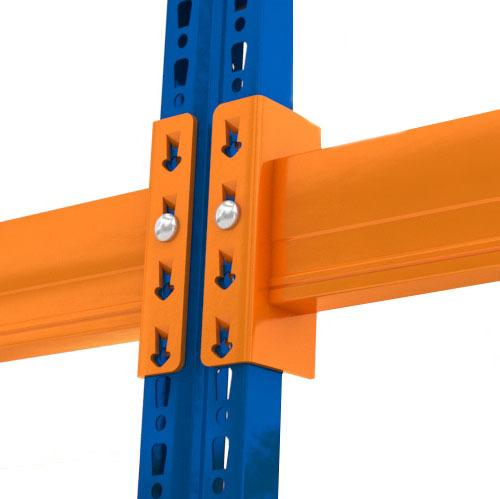
3. Rack Height, Width, and Depth
Rack dimensions determine how much material is required and how the system fits into the warehouse.
Taller racks generally need longer uprights and may require stronger frames, additional bracing, or more demanding structural checks. Wider bays require beams designed for the span and load. Greater rack depth changes the frame configuration and the way pallets are supported.
However, making every dimension larger is not necessarily the best way to increase storage capacity.
For example, a deeper rack may reduce the number of aisles or improve floor-space utilization, but it can also affect forklift access and pallet retrieval. A taller rack may create more storage levels, but only if the building's clear height, sprinkler arrangement, and lifting equipment allow it.
The quotation should be based on the actual usable warehouse dimensions, not simply the building's overall length, width, and height.
4. Warehouse Layout and Aisle Width
The number of rack rows, bays, levels, and aisles affects the total quantity of components.
A warehouse using conventional forklifts may need wider aisles than one designed for reach trucks or narrow-aisle equipment. This changes the number of rack rows that can fit into the same building.
A layout with more bays may increase the total rack quantity, but it does not automatically provide better storage efficiency. Buyers need to balance storage density with forklift turning space, loading and unloading access, pedestrian routes, and picking operations.
Before requesting a final price, prepare a warehouse layout showing columns, doors, loading areas, obstructions, and any restricted zones. A clear layout helps the supplier calculate the actual rack quantity and avoid costly design changes later.
5. Materials, Surface Treatment, and Accessories
The material and finishing requirements also influence the final price.
Most industrial warehouse racking systems use steel components. The steel grade, profile design, thickness, and manufacturing specifications affect material consumption and structural performance.
Surface treatment is another consideration. Powder coating is commonly used to protect steel components and provide a finished appearance. The required coating process, color, and corrosion-protection level can affect production cost.
Accessories should also be listed separately in the quotation where possible. Common examples include:
Wire mesh decking or steel panels
Pallet support bars
Row spacers
Upright protectors and column guards
Back stops and safety barriers
Rack safety signs and load notices
Not every warehouse needs every accessory. The correct selection depends on pallet condition, storage method, forklift operation, and site safety requirements. Adding unnecessary components increases the budget, while leaving out essential protection can create higher costs later.
6. Installation and Site Conditions
The purchase price of the rack components is not always the same as the cost of a completed warehouse racking project.
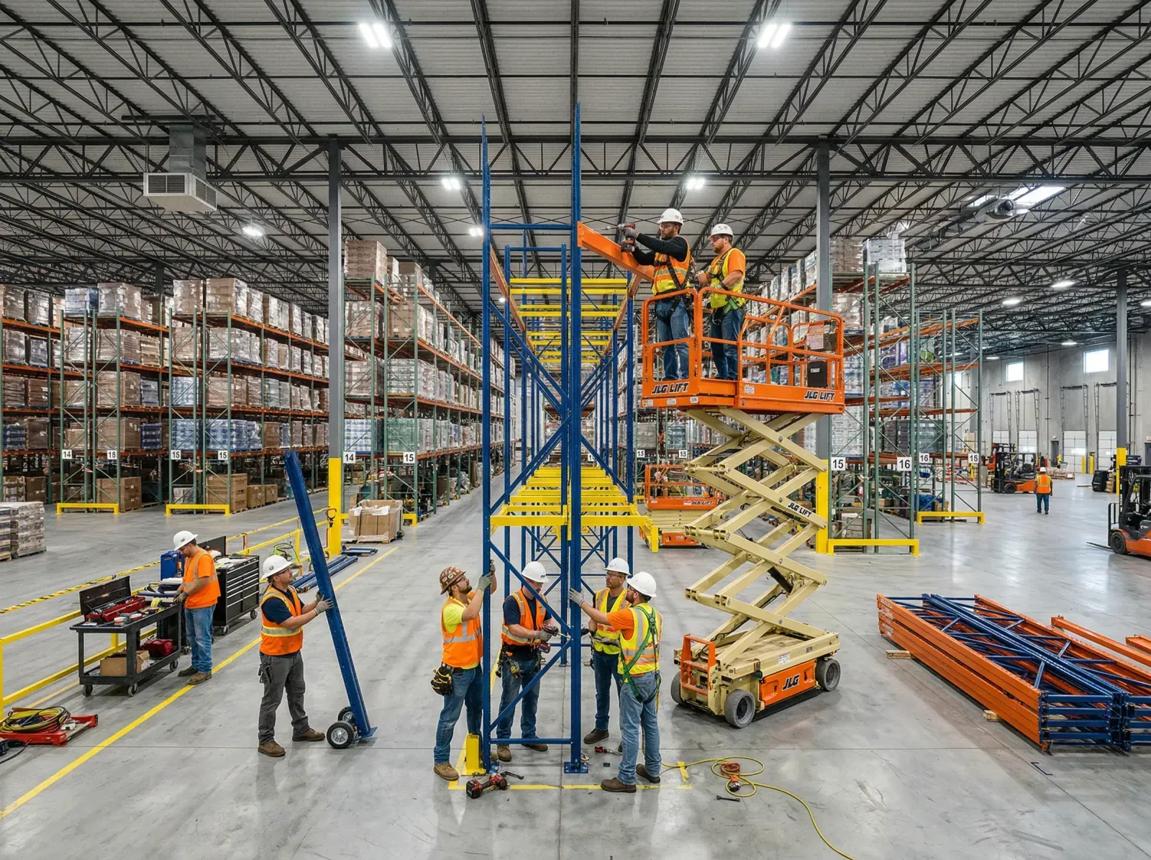
Installation costs depend on the project size, rack height, site access, floor condition, installation schedule, and local labor rates. A large installation with high-level racks or restricted working hours may require more labor and lifting equipment.
The condition of the warehouse floor also matters. Concrete strength, floor levelness, anchor requirements, and local structural or seismic requirements may affect the installation scope.
For overseas buyers, it is particularly important to confirm whether the quotation covers manufacturing and delivery only, or also includes installation, engineering drawings, and site supervision. These services should not be assumed to be included in a rack price.
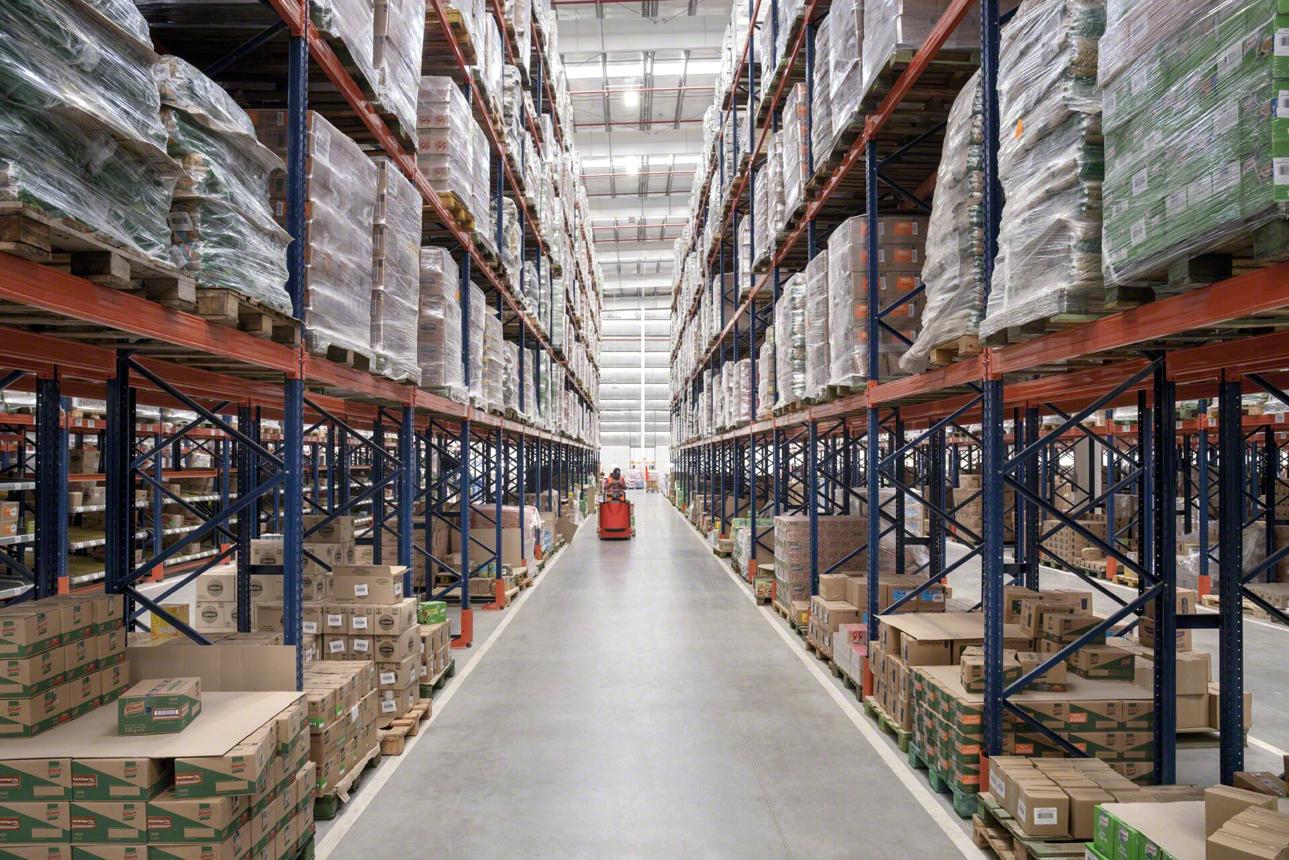
7. Order Quantity and Customization
Order quantity can influence the unit price because manufacturing setup, material purchasing, production scheduling, and packing costs are distributed across the order.
A project requiring many repeated rack configurations is often easier to manufacture than one involving numerous different dimensions and special components. Custom beam lengths, non-standard heights, special finishes, and mixed configurations may require additional production planning.
For distributors and warehouse equipment dealers, it can be useful to discuss standard sizes alongside project-specific dimensions. Standardized components may simplify replenishment and future expansion, while custom sizes should be reserved for requirements that cannot be met by standard configurations.
8. Packaging, Shipping, and Import Costs
For international purchases, the factory quotation is only one part of the landed cost.
Warehouse racking components are often shipped in large quantities. Upright frames, beams, bracing, and accessories need to be packed and arranged efficiently to make good use of container space and reduce the risk of transport damage.
The final landed cost may include:
Export packaging and loading
Ocean or land freight
Cargo insurance
Customs duties and import taxes
Port handling and destination charges
Inland transportation to the warehouse
Buyers should compare quotations using the same Incoterm and destination. An EXW quotation cannot be compared directly with a CIF or DDP quotation without accounting for the different costs and responsibilities included.
9. How to Compare Warehouse Racking Quotations
A lower quotation does not always mean a lower project cost. One supplier may quote a basic rack structure, while another includes decking, safety accessories, layout planning, and additional components.
Before comparing prices, check that each supplier is quoting against the same project information:
| Item to compare | What to confirm |
|---|---|
| Racking type | Selective, drive-in, push-back, or another system |
| Rack dimensions | Height, bay width, and frame depth |
| Load requirements | Load per level and loading arrangement |
| Storage capacity | Total usable pallet or shelf positions |
| Steel specifications | Profile dimensions, thickness, and material |
| Surface treatment | Coating type and finish |
| Accessories | Decking, supports, guards, and other components |
| Project services | Drawings, engineering, installation, and supervision |
| Delivery terms | Incoterm, destination, and packaging scope |
A useful comparison should consider both the total project price and the cost per usable storage position. It should also account for operating requirements, because a cheaper layout that makes pallet access difficult may create additional handling costs over time.
10. What Information Should You Prepare for a Warehouse Racking Quote?
A supplier can prepare a more accurate quotation when the buyer provides practical project details from the beginning.
At minimum, prepare:
Warehouse length, width, and clear height.
Pallet or product dimensions.
Maximum weight per pallet or storage level.
Required number of pallet positions or shelving levels.
Forklift type and operating aisle requirements.
Preferred racking type, if already decided.
Project location and expected delivery terms.
Whether installation or engineering support is required.
If the final layout has not been decided, sharing the warehouse drawing and storage requirements is still useful. The supplier can use these details to evaluate possible configurations before calculating the final quantity and price.
Frequently Asked Questions
What is the biggest factor affecting warehouse racking cost?
The racking system type, load capacity, and overall configuration are usually major cost drivers. The exact impact depends on the project. A basic selective system and a high-density push-back system, for example, have different structural and component requirements.
Is heavy-duty warehouse racking more expensive?
Generally, yes. Heavy-duty systems need components designed for higher loads, which can mean larger steel profiles, thicker sections, and stronger frames or beams. The final design should be based on the actual load rather than choosing the heaviest specification available.
Does a taller warehouse racking system always cost more?
A taller system generally requires more steel and may need additional structural considerations. However, it can also provide more storage levels within the same floor area. Whether it is economical depends on the building height, forklift capability, and required storage capacity.
How can I reduce warehouse racking costs without compromising safety?
Start with an accurate layout and load specification. Avoid unnecessary custom dimensions and accessories, select a racking type that matches inventory access requirements, and compare quotations with the same technical scope. Do not reduce steel specifications or omit required safety components simply to lower the initial price.
What is included in a warehouse racking system quotation?
A quotation may cover rack frames, beams, bracing, decking, accessories, packaging, and delivery. Depending on the supplier and project, it may also include layout drawings, engineering services, installation, or supervision. Buyers should request a clear scope of supply rather than assume these items are included.
Conclusion
The cost of a warehouse racking system is shaped by more than steel weight or the number of rack bays. System type, load capacity, dimensions, warehouse layout, surface treatment, accessories, installation, order quantity, and international shipping all contribute to the final budget.
For a reliable quotation, buyers should provide accurate warehouse dimensions, pallet specifications, load requirements, and handling equipment information. With these details, a manufacturer can calculate the required components and propose a storage configuration that balances initial investment, usable capacity, and daily operating needs.