


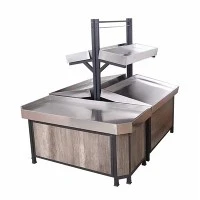


Hey there! I'm a supplier of supermarket display shelves, and one of the most common questions I get is how to make sure these shelves comply with building codes. It's not just a matter of slapping up some shelves and calling it a day; there are a bunch of rules and regulations that we've got to follow to keep everyone safe and the place running smoothly.


Understanding Building Codes
First things first, building codes are a set of rules that are put in place to ensure the safety, health, and general welfare of people who use a building. They cover everything from the structural integrity of the building to the fire safety measures in place. When it comes to supermarket shelves, we need to pay attention to a few key areas.
One of the most important aspects is weight capacity. Building codes typically specify how much weight a shelf can hold based on its size, material, and installation method. As a supplier, I always make sure to provide accurate weight capacity information for each of our products. For example, our Modern Supermarket Shelves are designed to handle a certain amount of weight, and it's crucial for store owners to not overload them. Overloading shelves can lead to structural failure, which is not only a safety hazard but can also damage the products on the shelves.
Another biggie is fire safety. Supermarkets are filled with a lot of flammable materials, like cardboard boxes, packaging, and cleaning supplies. Building codes usually require that shelves be made of fire-resistant materials or have fire protection treatments. We offer a range of shelves that meet these fire safety standards, such as our Grocery Shelf Display, which is designed to minimize the spread of fire in case of an emergency.
Installation and Placement
Once you've got the right shelves, proper installation is key to ensuring compliance. The shelves need to be securely attached to the floor, wall, or other support structures. I've seen way too many cases where shelves were installed haphazardly, and they started wobbling or even fell over. This is a major safety risk, especially in a busy supermarket where customers are constantly moving around.
When it comes to placement, there are also rules to follow. Shelves should be placed in a way that doesn't block exits, emergency equipment, or ventilation systems. For instance, you can't just stack shelves in front of a fire extinguisher or block an exit door. Our Superstore Retail Shelving is designed to be flexible in terms of placement, so store owners can arrange them in a way that maximizes space while still meeting the building code requirements.
Accessibility
In today's world, accessibility is a huge deal. Building codes often require that supermarkets be accessible to people with disabilities. This means that shelves need to be arranged in a way that allows wheelchair users and people with mobility issues to move around easily. There should be enough space between the aisles for wheelchairs to turn, and the lower shelves should be accessible for people to reach products without having to stretch or bend too much. Our Department Store Racks are designed with accessibility in mind, with adjustable heights and wide aisle options.
Inspections and Maintenance
Just because you've installed compliant shelves doesn't mean your job is done. Regular inspections and maintenance are crucial to ensure that the shelves continue to meet the building code requirements. Store owners should regularly check for any signs of damage, such as loose brackets, bent shelves, or rust. If any issues are found, they should be addressed immediately.
As a supplier, I always recommend that our customers have a maintenance schedule in place. This can include daily visual inspections, monthly checks of the structural integrity of the shelves, and quarterly cleaning and lubrication of moving parts. Our Double - side Supermarket Shelf is built to be durable, but like any product, it still needs regular care to stay in top condition.
Working with Local Authorities
It's also a good idea to work closely with the local building authorities. They can provide you with specific information about the building codes in your area and can even offer guidance on the installation and placement of your supermarket shelves. Some areas may have additional requirements, such as seismic restrictions if you're in an earthquake - prone region.
Before you start installing any shelves, it's a smart move to contact the local building department and let them know what you're planning to do. They may require you to submit plans or get a permit. By working with them from the start, you can avoid any potential headaches down the road and ensure that your supermarket shelves are fully compliant.
Conclusion
Ensuring that a supermarket display shelf complies with building codes is a multi - step process that involves understanding the codes, proper installation, ongoing maintenance, and working with local authorities. As a supplier, I'm committed to providing high - quality shelves that meet these requirements. Whether you're looking for Modern Supermarket Shelves, Grocery Shelf Display, Superstore Retail Shelving, Department Store Racks, or Double - side Supermarket Shelf, I've got you covered.
If you're in the market for new supermarket display shelves and want to make sure they comply with all the necessary building codes, don't hesitate to reach out. Let's have a chat about your specific needs, and we can find the perfect solution for your supermarket.