



Hey there! As a supplier of supermarket shelves, I've seen firsthand how crucial it is to ensure the stability of tall supermarket shelves. A wobbly or unstable shelf can not only lead to product damage but also pose a significant safety risk to customers and employees. So, in this blog, I'm gonna share some tips on how to keep those tall shelves standing strong.
1. Choose the Right Shelf Design
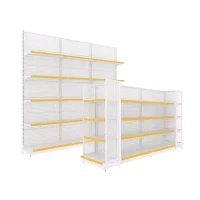
First off, the design of the shelf matters a whole lot. When you're looking at shelf display supermarket, you've got different options like Single - side Supermarket Shelf and Double - side Supermarket Shelf.
Single - side shelves are great for lining the walls. They have a solid base that can be attached firmly to the wall, which gives them extra stability. Double - side shelves, on the other hand, are more for the middle of the store. They need to be well - balanced, and usually, they come with a strong central support system.
For a tall shelf, a design with a wide base is a must. A wider base distributes the weight more evenly, reducing the risk of tipping over. Also, look for shelves with reinforced corners and joints. These areas bear a lot of stress, so having them reinforced can make a big difference in the shelf's stability.
2. Consider the Material
The material of the shelf plays a huge role in its stability. Steel is a popular choice for tall supermarket shelves. It's strong, durable, and can handle a lot of weight. Galvanized steel is even better as it's resistant to rust, which means the shelf will stay in good condition for longer.
Aluminum is another option. It's lightweight, which makes it easier to install and move around. But it may not be as strong as steel, so it's better for lighter loads.


Wooden shelves can add a warm and inviting look to the supermarket, but they need to be made from high - quality, dense wood. Plywood or solid hardwoods like oak or maple are good choices. However, wood can be susceptible to moisture and pests, so proper treatment is necessary.
3. Proper Installation
Installing the shelf correctly is key. Make sure the floor is level before you start. If the floor is uneven, the shelf will be unstable right from the start. You can use shims to level the base of the shelf if needed.
Follow the manufacturer's instructions carefully. These instructions are there for a reason and will ensure that all the parts are assembled correctly. For wall - mounted shelves, use the right type of wall anchors. If you're installing a freestanding shelf, make sure it's secured to the floor. You can use bolts or floor mounts to keep it in place.
4. Load Distribution
How you load the shelf is super important. Don't overload the top shelves. Heavy items should be placed on the lower shelves to keep the center of gravity low. This reduces the risk of the shelf tipping forward.
Try to distribute the weight evenly across the shelves. If you stack all the products on one side, it can make the shelf lopsided and unstable. Also, be careful not to overcrowd the shelves. Leave some space between products to prevent them from pushing against each other and causing the shelf to become unbalanced.
5. Regular Maintenance
Maintenance is an ongoing process. Inspect the shelves regularly for any signs of damage, such as loose bolts, bent frames, or cracked shelves. If you find any issues, fix them right away.
Clean the shelves regularly to remove dust and debris. This not only keeps the store looking good but also helps to prevent corrosion and damage to the shelf material.
Check the stability of the shelves after any major changes, like rearranging the products or moving the shelf. This will ensure that it's still safe and stable.
6. Use Additional Support
Sometimes, you may need to use additional support to ensure the stability of tall shelves. For example, you can use cross - bracing between the shelves. Cross - bracing helps to connect the shelves and make them more rigid.
If the shelves are in a high - traffic area, you can use corner protectors. These protectors not only prevent damage to the shelves but also add a bit of extra stability.
7. Training for Staff
Make sure your staff is trained on how to handle the shelves properly. They should know how to load and unload products without causing the shelf to become unstable. Training can also include how to spot signs of instability and what to do if they notice a problem.
8. Consider the Store Layout
The layout of the store can also affect the stability of the shelves. If the shelves are placed in an area where there's a lot of movement, like near a door or a checkout counter, they may be more likely to get bumped into. Try to place the tall shelves in a more stable location, away from high - traffic areas.
If you're using Convenience Store Shelves or Supermarket Display Shelf, make sure they're arranged in a way that allows for easy access without putting too much stress on the shelves.
In conclusion, ensuring the stability of tall supermarket shelves is a multi - faceted process. It involves choosing the right design and material, proper installation, careful load distribution, regular maintenance, and additional support when needed. By following these tips, you can keep your supermarket shelves safe and stable, which is not only good for your products but also for the safety of your customers and employees.
If you're in the market for high - quality, stable supermarket shelves, I'd love to have a chat with you. Feel free to reach out to discuss your specific needs and how we can help you find the perfect solution for your store.